Industry
The ROI Case for Private Aviation
Published July 11, 2026
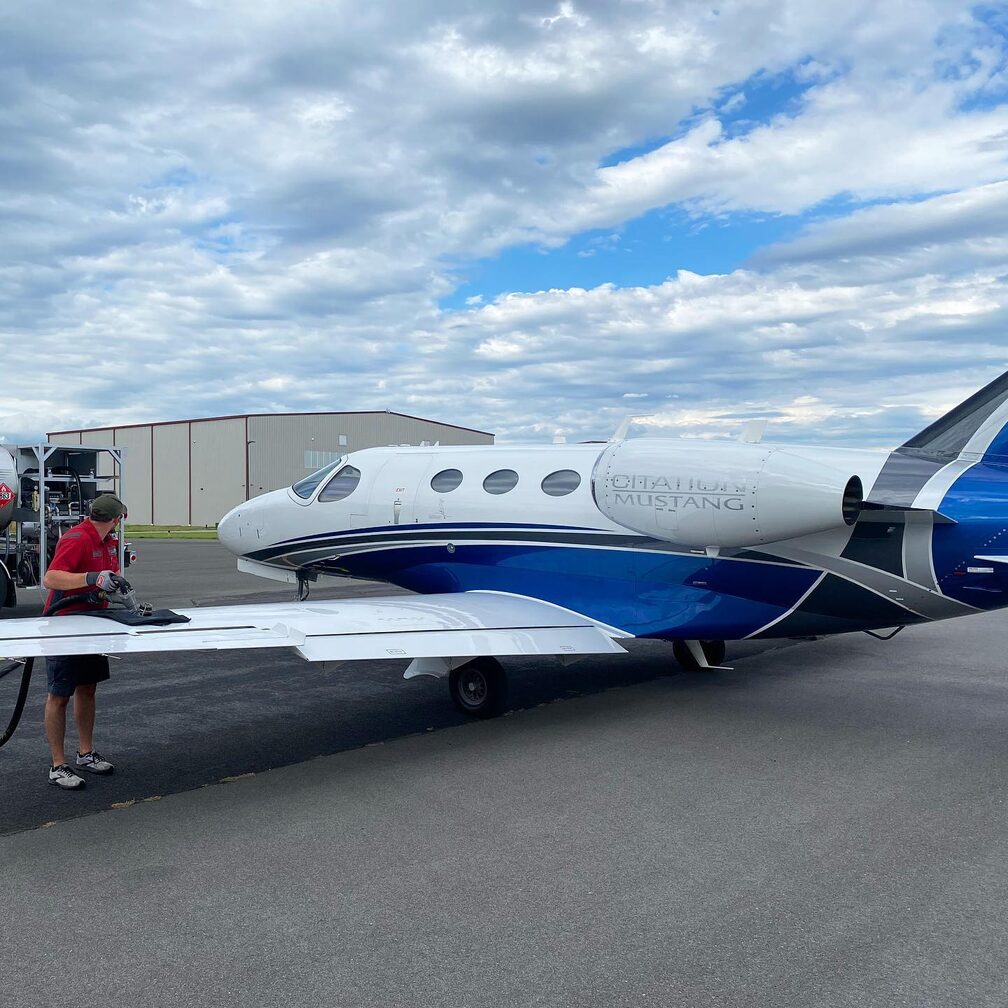
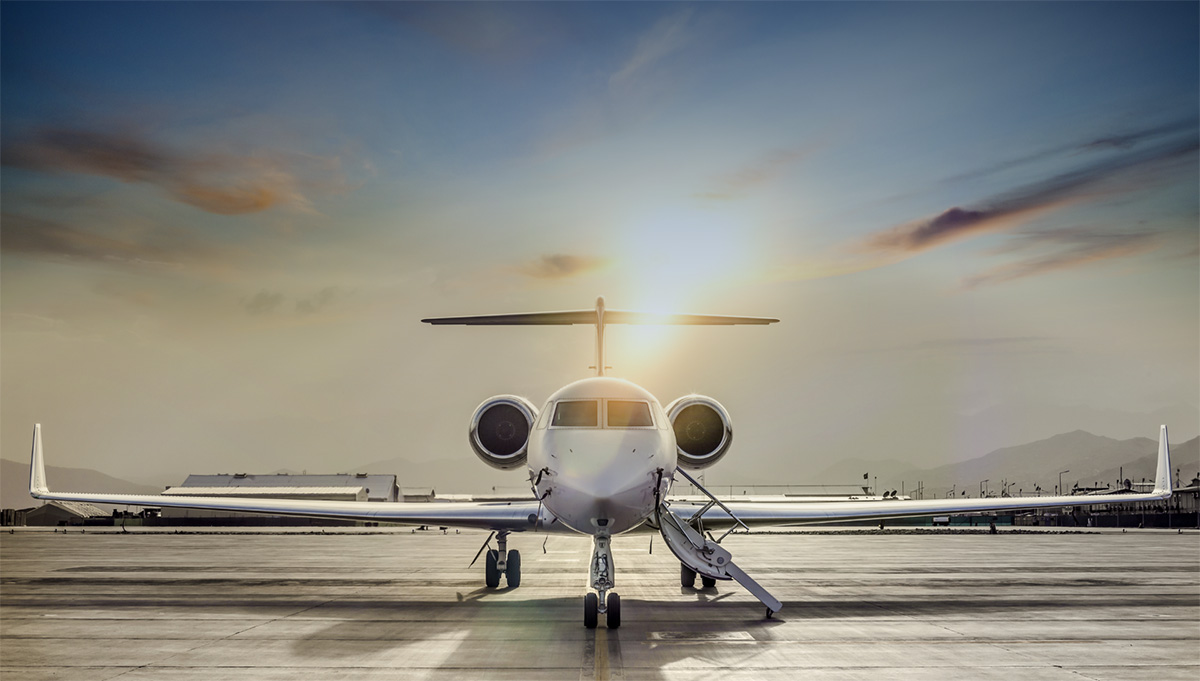
For business leaders, private aviation is no longer just a comfort call — it’s a measurable strategic asset. The U.S. has roughly 5,190 public-use airports, but commercial airlines serve only about 500–550 of them. Flying private means bypassing congested hubs entirely and landing minutes from the meeting, not hours — at facilities like Raleigh Executive Jetport (KTTA).
A team can depart Raleigh, visit stops in Greensboro and Charleston, and be home for dinner the same day — a routing that would take multiple days commercially once hotels and per diems are factored in. Removing connections and terminal time alone saves private flyers an average of 2–4 hours per trip.
Sources: Bureau of Transportation Statistics; National Business Aviation Association (NBAA).
Careers
A Golden Era to Fly: Inside Aviation’s Pilot Shortage
Published July 3, 2026
Boeing’s 2025 Pilot and Technician Outlook projects a need for 660,000 new commercial pilots worldwide between now and 2044, driven by a wave of mandatory retirements and steady growth in global air travel. About a third of that demand is new fleet growth — the rest is simply replacing pilots aging out of the industry.
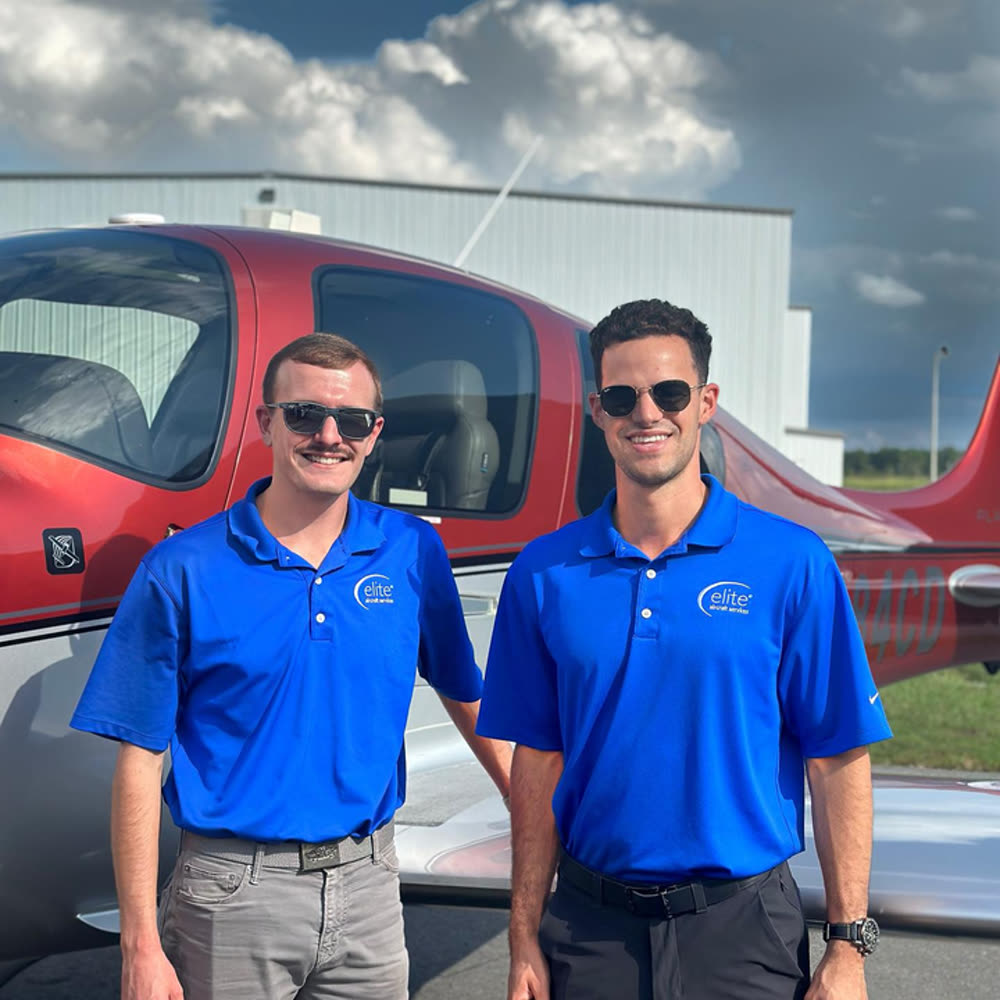
That demand curve has made learning to fly one of the more resilient vocational paths available right now, with starting pay at regional carriers climbing to attract candidates. The route to a cockpit still runs through the same fundamentals: a Private Pilot License, building hours, and progressing to a Commercial Pilot License — the exact path Elite’s flight training program is built around.
Source: Boeing 2025 Pilot and Technician Outlook.
Flight Training
The Real Cost of Earning Your PPL in 2026
Published June 26, 2026
Training in a modern, technically advanced aircraft is an investment in safety and avionics, not just flight time. At Elite, flight and ground instruction run $115/hour, and aircraft rental starts at $384/hour for an SR20 (G3). With the national average to proficiency sitting around 60 hours, most students training in an SR20 (G6) land a total investment of roughly $33,000–$35,000, covering aircraft rental, instruction, and fixed FAA fees.
That figure moves with aircraft choice and how quickly a student progresses — see our full rental rates or talk to our team about a training plan built around your timeline and budget.
Safety
Why Whole-Airframe Parachutes Are the Gold Standard in GA Safety
Published June 12, 2026
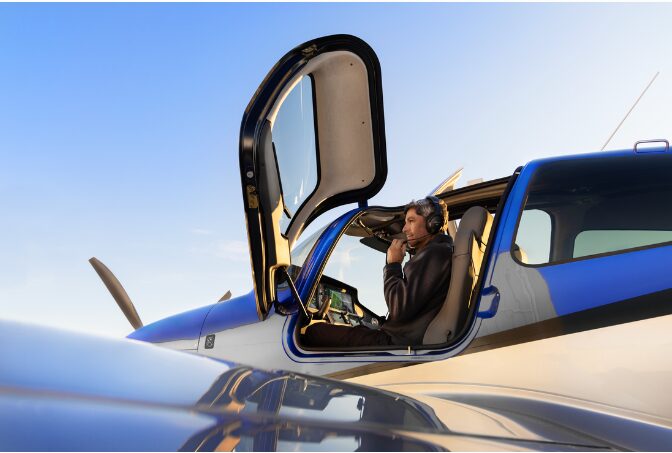
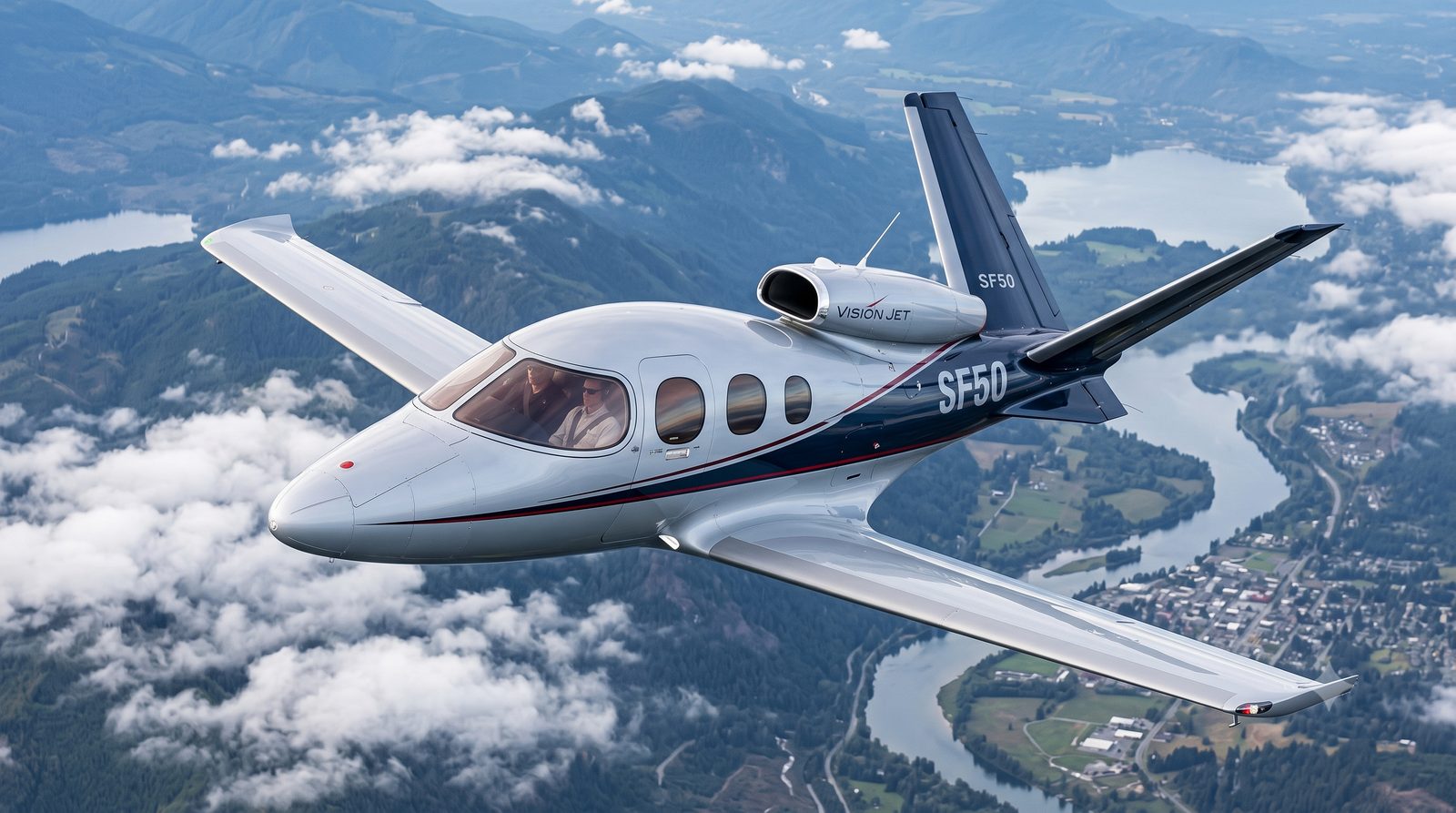
Every aircraft in Elite’s fleet carries a whole-airframe parachute system (CAPS) — the first FAA-certified whole-airframe parachute in general aviation. In a rare emergency, pulling the dedicated handle deploys a 2,400-square-foot canopy that lowers the entire aircraft to the ground, with energy-absorbing seats designed to protect occupants on touchdown.
As of July 2026, CAPS has been credited with 149 successful deployments and 299 survivors across the fleet worldwide — the clearest evidence yet that building safety around occupant survival, not just accident avoidance, changes outcomes.
Source: COPA CAPS Event History, updated July 2, 2026.