
Raleigh, NC’s Flight School
From discovery flight to advanced ratings, in the latest SR20 and SR22 models, at Raleigh Executive Jetport or Raleigh-Durham International.
A modern flight school for the Raleigh area
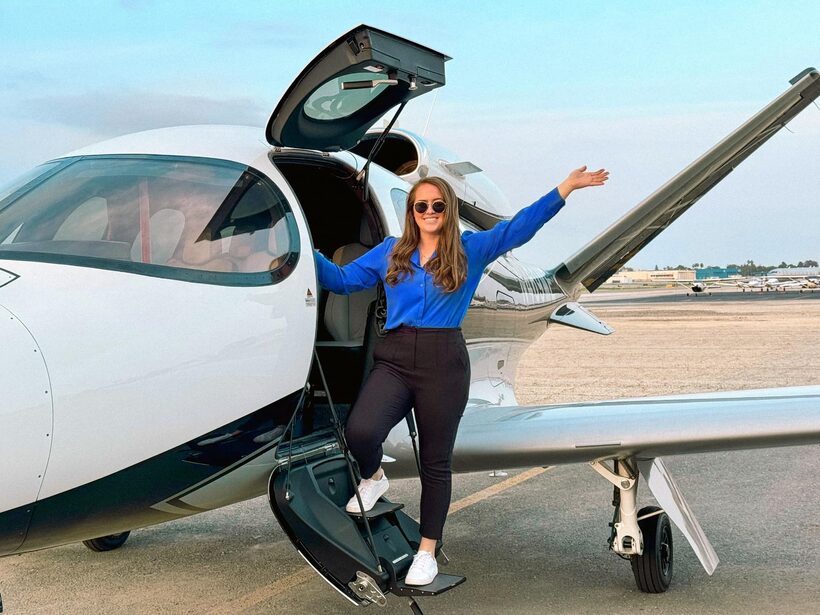
Earning your private pilot license is one of the most rewarding things you can pursue. As a flight school serving Raleigh, NC and the greater Triangle, Elite provides specialized flight training in the latest SR20 and SR22 models at Raleigh Executive Jetport (KTTA), Raleigh-Durham International Airport (KRDU), Charleston Executive Airport (KJZI), and Charleston International Airport (KCHS), following a structured, scenario-based curriculum.
- Learn to Fly
Every training path tailored to your goals and schedule, using advanced avionics.
- Advance Your Skills
Cross-country flights, IFR conditions, and eventually commercial-level operations.
- Bespoke Lessons & Transition Courses
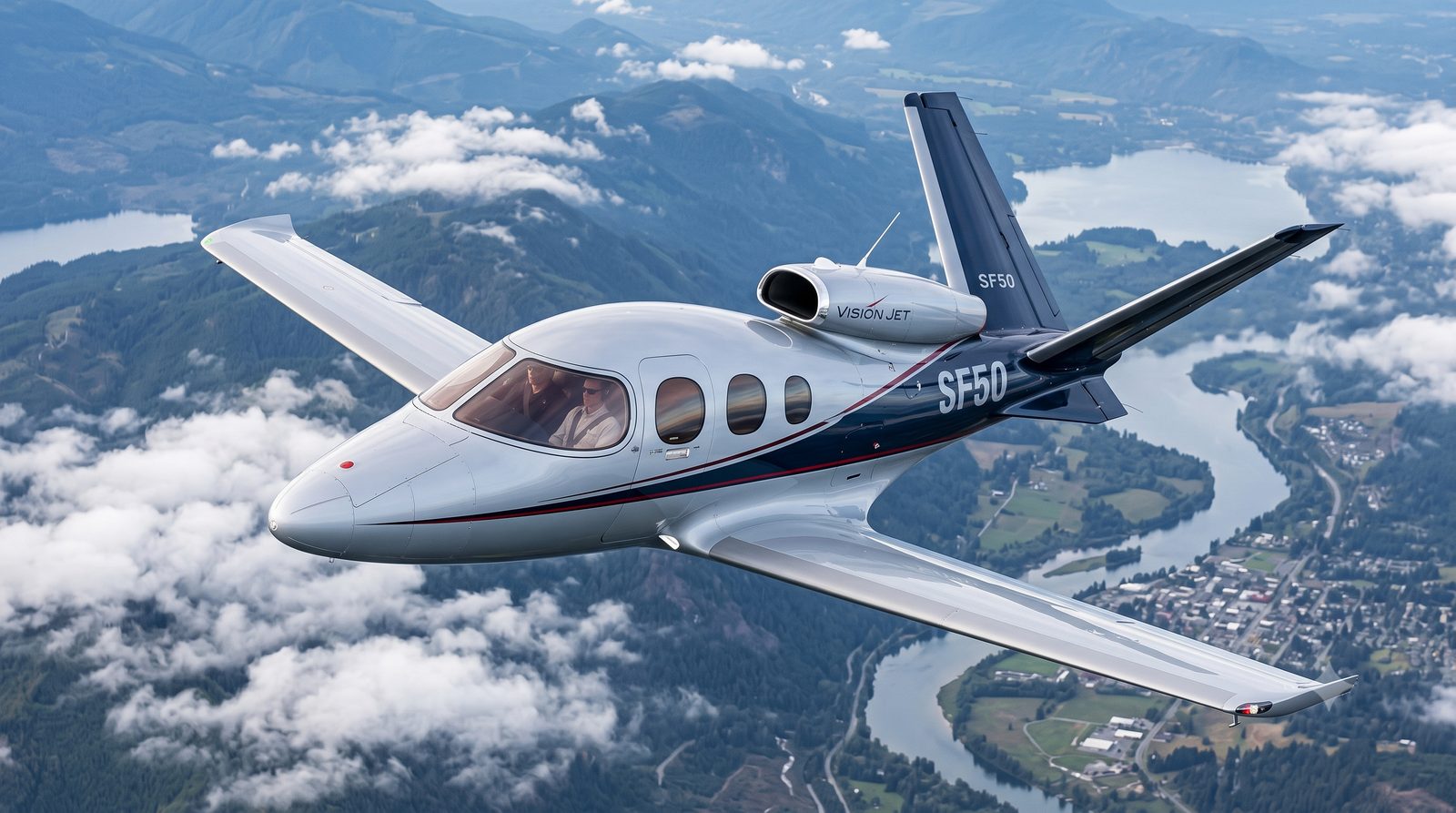
Move confidently between SR20, SR22, and Vision Jet platforms with our professional flight instructors.
Flight training questions
Both are available through Elite. KRDU is closer for many Raleigh residents but shares Class C airspace with airline traffic. KTTA is uncontrolled and less congested, so many students get more flight time per lesson. See our Raleigh-area training guide for a full comparison.
Flight instruction and ground instruction are each $115.00 per hour across the fleet, in addition to the hourly aircraft rental rate. See our rental rates for details.
You'll meet your instructor, go through a pre-flight briefing, and take the controls of a modern, technically advanced aircraft for a supervised introductory flight — no experience required.
Yes — evaluated by an FAA-designated Aviation Medical Examiner (AME). A Third-Class Medical covers personal flying, but if you're training toward a career, we recommend securing a First-Class Medical up front so you know you meet commercial standards before investing in hours.
A 60-question computerized test covering aerodynamics, weather, regulations, and navigation. Elite's ground instruction follows a structured, scenario-based curriculum built to prepare you for it directly.
With the national average to proficiency around 60 hours, training in an SR20 (G6) typically brings the total investment to roughly $33,000–$35,000, covering aircraft rental, instruction, and fixed FAA fees. See our rental rates for the full breakdown by aircraft.
The checkride is your final practical test, run by a Designated Pilot Examiner (DPE) against the Airman Certification Standards. It has two parts: an oral exam covering scenario-based planning, systems, and regulations, followed by a practical flight test with takeoffs, maneuvers, emergency procedures, and decision-making.
Every aircraft in Elite's fleet carries a whole-airframe parachute system (CAPS) — the first FAA-certified whole-airframe parachute in general aviation. As of July 2026, CAPS has been credited with 149 successful deployments and 299 survivors across the fleet worldwide, per COPA event history.
Most students earn their private pilot certificate in three to six months when flying about twice a week. The FAA minimum is 40 flight hours, but the national average to proficiency is closer to 60–70 hours. Your actual timeline depends mainly on how consistently you can fly and local weather.
Look at fleet type and condition, instructor consistency, airport congestion, and safety record. Elite trains exclusively in technically advanced aircraft equipped with whole-airframe parachutes, pairs students with one dedicated instructor for the full course, and is based at Raleigh Executive Jetport (KTTA), an uncontrolled field that avoids the airline traffic and Class C delays common at busier North Carolina airports.